
Welded Aluminum Camper Construction: Built From the Frame Out
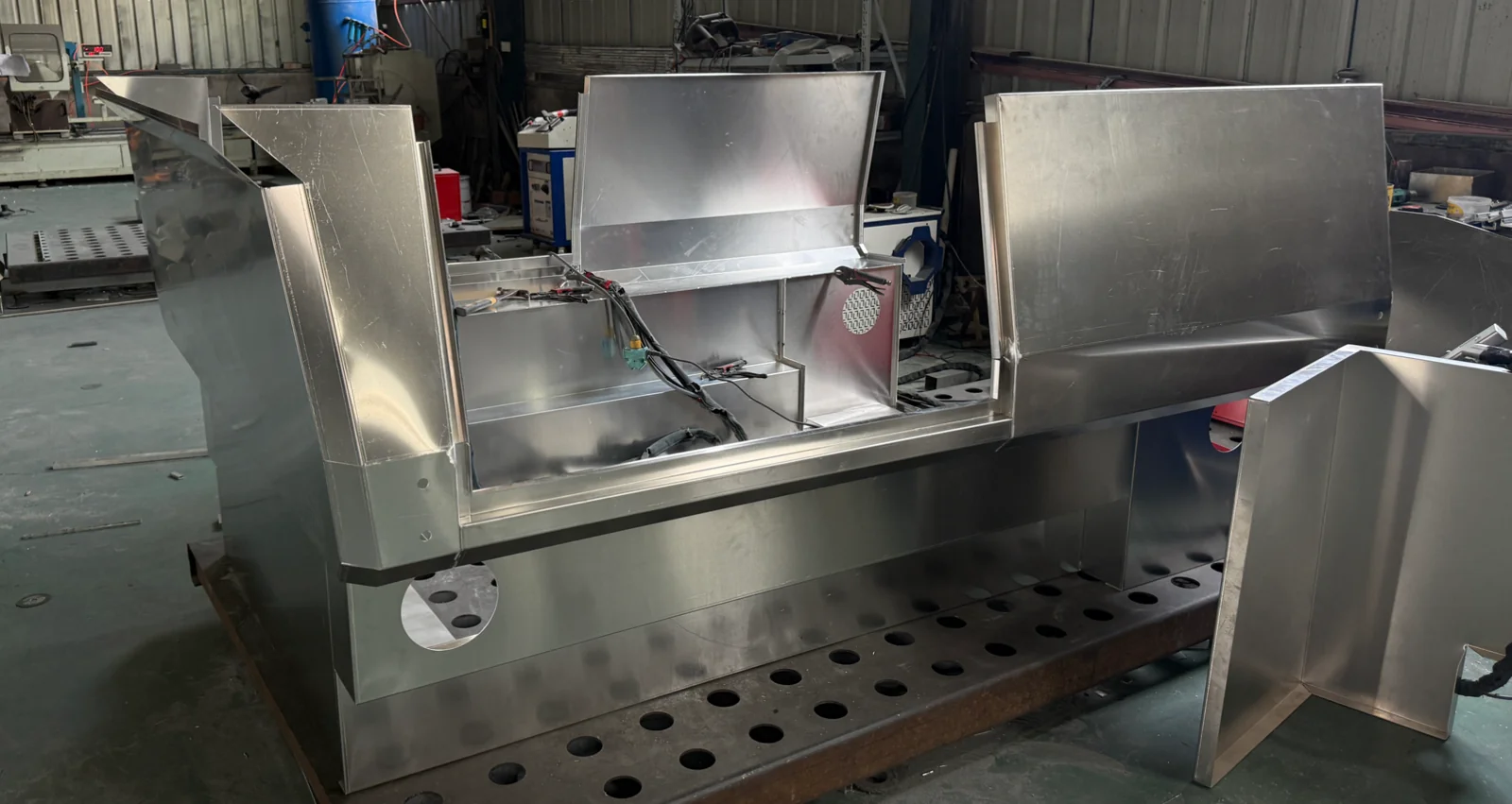
Iron Ridge Campers use welded aluminum frames and a powder-coated frame finish as the foundation for custom truck camper construction. In our Backcountry and Expedition campers, XPS rigid foam insulation also helps manage heat transfer through the insulated body. These materials serve different purposes, but the goal is shared: practical construction that balances weight, durability, and comfort.
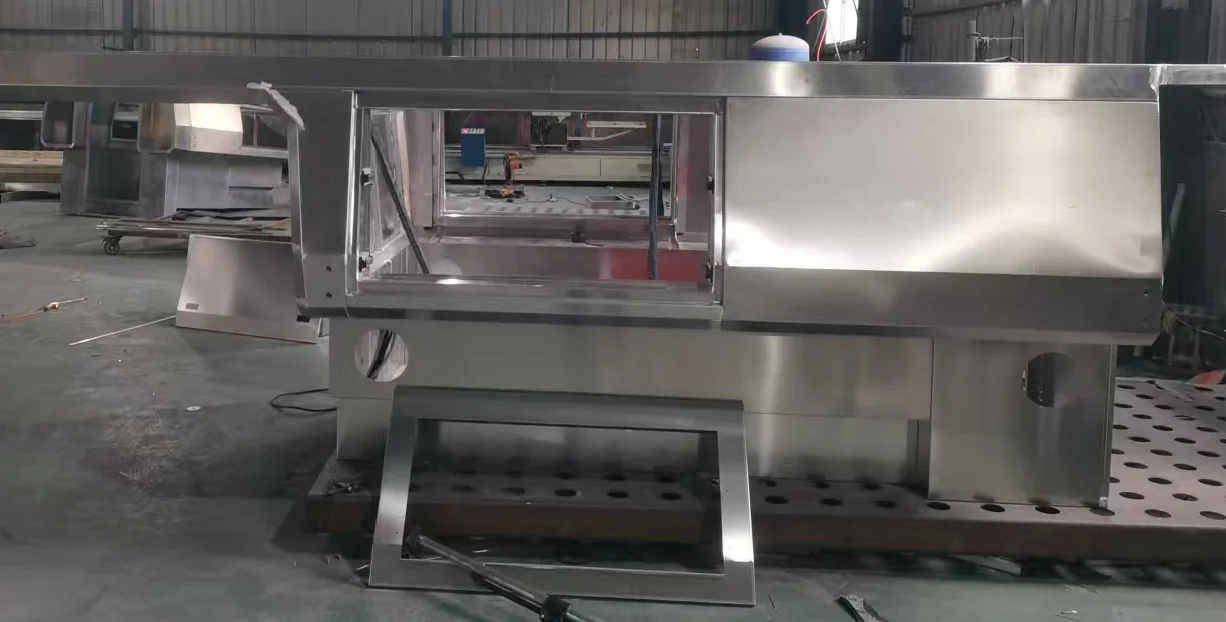
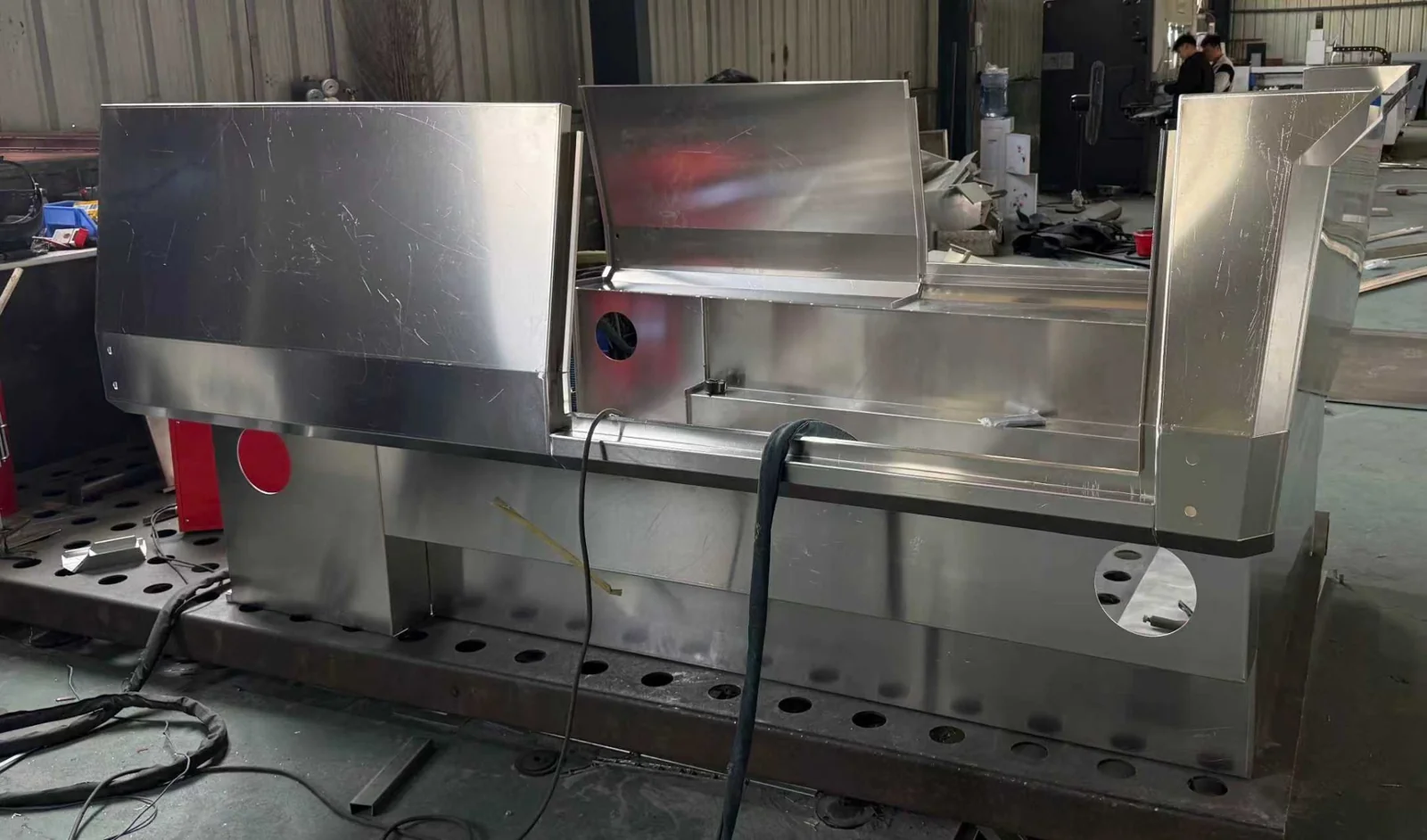
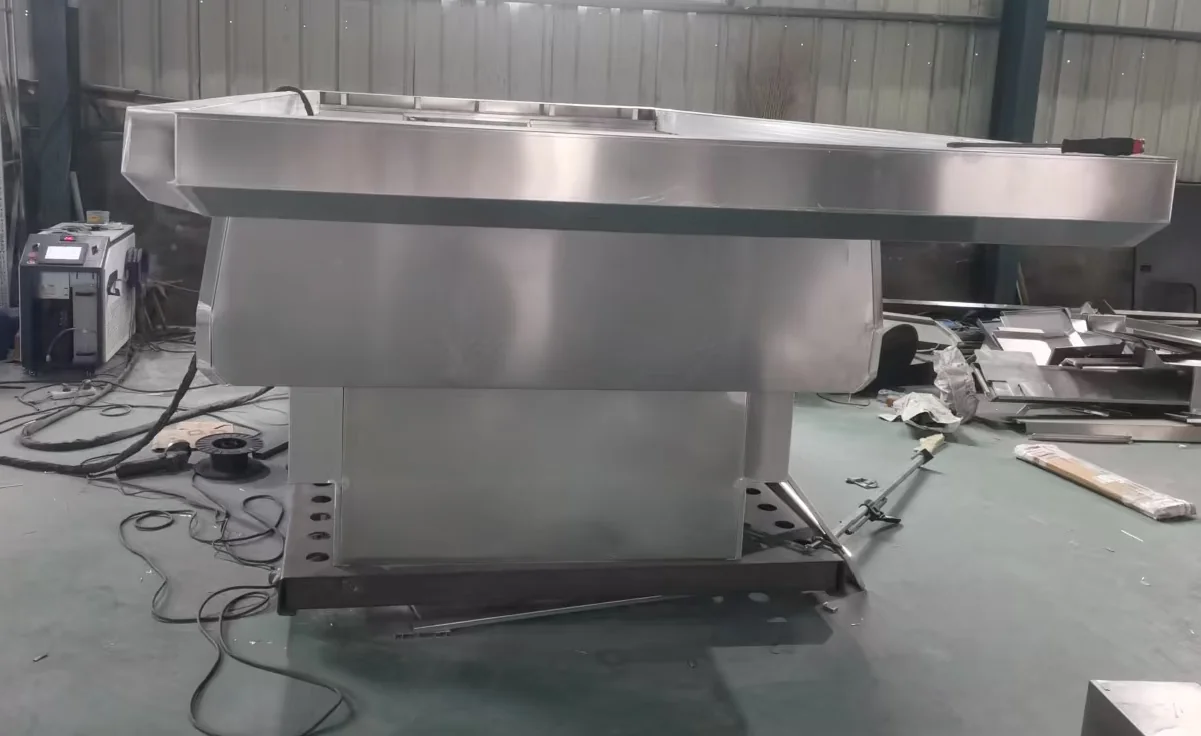
Built different from the frame out means paying attention to the structure beneath the finished interior. The photos in this article show unfinished aluminum bodies during fabrication, before powder coating and final fit-out.
Why We Use a Welded Aluminum Camper Frame
The frame is a starting point for the entire build. It establishes the structure around the camper’s layout, openings, storage, and selected equipment. We use welded aluminum framing rather than wood framing for that structural foundation.
Aluminum helps us pursue our weight targets, but the finished camper’s weight depends on its size, layout, systems, and options. A build with a bathroom, batteries, appliances, and additional storage needs to be evaluated as a complete configuration.
For the customer, the useful question is not simply which material is used. It is how the completed camper fits the truck and supports the way you plan to travel. Truck payload, passengers, water, and gear all belong in that discussion.
Powder-Coated Frames Instead of a Liquid-Painted Finish
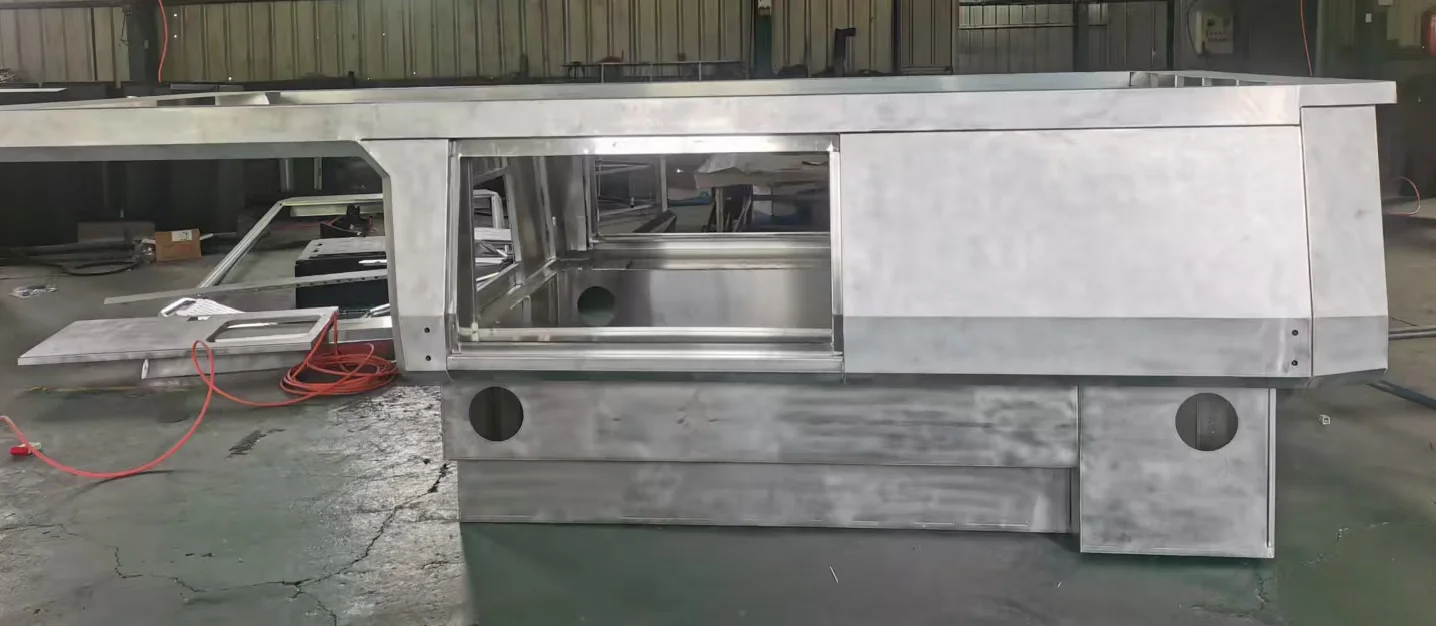
After fabrication, our aluminum frames are powder coated rather than finished with liquid paint. We choose powder coating as a protective finish suited to the demands of camper use.
Powder coating is applied as a dry powder and cured to form a coating. The Powder Coating Institute explains that performance depends on surface preparation, coating selection, and proper curing. That means a durable finish comes from the complete coating process—not simply the word “powder.”
The bare aluminum shown in these photos is an earlier stage of construction. It is not the final powder-coated appearance.
XPS Insulation in Backcountry and Expedition Campers
Our Backcountry and Expedition camper bodies incorporate XPS—extruded polystyrene—rigid foam board insulation. Insulation helps slow heat transfer through the insulated areas, supporting interior comfort as outdoor conditions change.
XPS is used for its insulating properties and resistance to moisture absorption. Moisture resistance does not make a complete camper waterproof: joints, exterior seals, windows, doors, and ventilation still matter.
For a closer look at the insulation stage, read XPS Insulation in Iron Ridge Backcountry and Expedition Campers.
Aluminum Framing Does Not Mean Every Component Is Aluminum
We use aluminum framing as the structural foundation, while other materials have specific roles elsewhere in the camper. Insulation, seals, windows, interior finishes, and pop-up components are selected for their intended jobs.
Backcountry uses a manual-lift, soft-sided pop-up enclosure. Expedition uses an electric-lift, hard-sided pop-up enclosure with fiberglass sides. Both retain welded aluminum framing. The right choice depends on your preferred setup and travel needs.
Custom Construction Starts Before Fabrication
A well-planned camper starts before the first weld. Every Iron Ridge Camper is designed in CAD so we can work through dimensions, layout, storage, systems, and custom features before production.
Read how our custom camper CAD design process works to see how your ideas become a build plan.
Frequently Asked Questions
Are Iron Ridge Camper frames made from aluminum?
Yes. Iron Ridge Campers use welded aluminum frames as their structural foundation.
Are the camper frames painted or powder coated?
The frames are powder coated after fabrication. The attached construction photos show unfinished aluminum before that coating stage.
Do all Iron Ridge Campers use the same materials throughout?
No. Aluminum framing is a structural choice, while other components use materials suited to their functions. Model and configuration affect the complete material mix.
Does aluminum construction guarantee a particular camper weight?
No. Finished weight depends on the camper’s size, configuration, systems, and selected options. Discuss the proposed build alongside your truck’s available payload.
Build Around Your Next Adventure
From the welded aluminum frame to the finish and interior planning, our focus is a camper built around how you will use it. Lake weekends, road trips, and time at the racetrack can each call for a different layout and equipment package.
Tell us about your truck and travel plans. Visit Iron Ridge Campers to start planning your custom build.
Iron Ridge Campers — built for the road past the road.